How to Reduce Echo in an Office, Majlis or Living Room
How to reduce echo in an office, majlis or living room in Dubai: why hard rooms ring, and how panels, baffles, ceiling tiles and fabric calm them.
By MuteLine Team

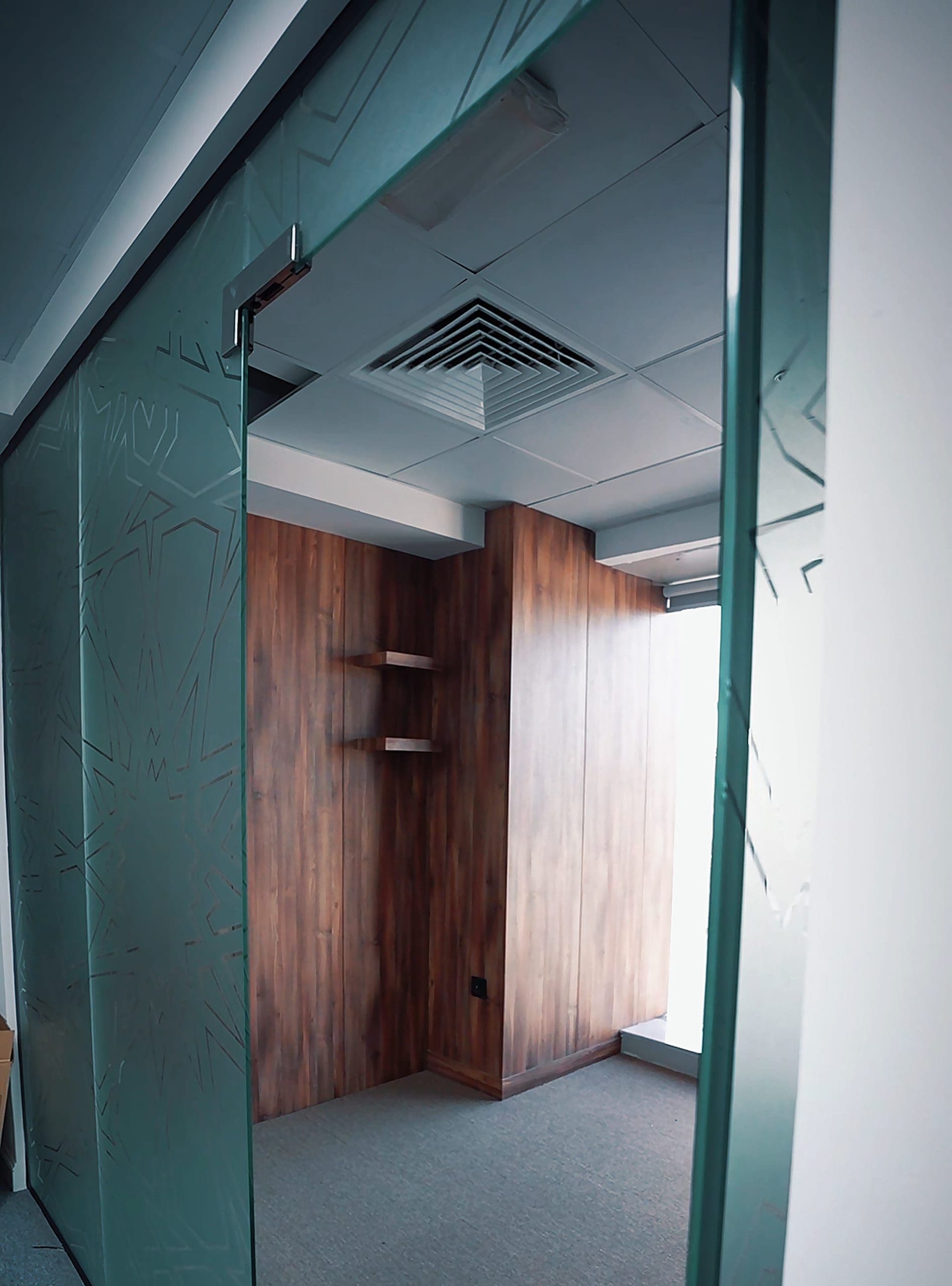
To reduce echo in a room, add soft, sound-absorbing surfaces — acoustic wall panels, ceiling tiles or baffles, carpet and fabric — and place them where sound reflects most. You rarely need to cover every wall; well-placed treatment on part of the walls and ceiling usually makes a clear difference.
Why rooms in Dubai echo
Modern UAE interiors are built from hard, smooth surfaces: porcelain or marble floors, plastered walls, glass partitions and gypsum ceilings, often with very little soft furniture. Sound reflects off each of them and keeps bouncing after it is made. That lingering sound is reverberation. It blurs speech, pushes the noise level up as people talk louder to be heard, and makes a room tiring to spend time in.
Large rooms with high ceilings — a villa majlis, a double-height living room, an open-plan office — are the worst affected, because sound travels further between reflections and builds up.
Echo is a problem inside the room. It is different from noise coming in from outside or leaking to the next room, which needs soundproofing rather than absorption.
The tools for absorbing echo
Each of these absorbs or controls sound in a different part of the room, and most projects combine two or three:
- Acoustic wall panels — PET felt, fabric-wrapped or acoustic wood panels fixed to walls. The most flexible option, in many colours, shapes and finishes.
- Acoustic ceiling tiles — in rooms with a grid ceiling, swapping standard tiles for acoustic tiles treats the largest surface in the room at once.
- Ceiling baffles — vertical panels hung from the ceiling. Ideal for open-plan offices, cafés and rooms with high or exposed ceilings, or where the walls are mostly glass.
- Acoustic carpet and rugs — absorb sound at floor level and soften footstep noise on hard tiles.
- Acoustic fabric and curtains — fabric-covered walls, or heavy curtains over large windows.
- Sound diffusers — scatter sound rather than absorb it, keeping a room lively but even. Useful in music rooms and larger spaces where too much absorption would make the room sound flat.
Our PET acoustic panels, ceiling baffles and acoustic ceiling tiles are the most common starting points, and every product has a technical data sheet available on request.
Where to place the treatment
Placement matters as much as the amount. A few rules that work in most rooms:
- Treat parallel walls — two hard walls facing each other create a fluttering echo. Treat at least one wall of each pair.
- Work at seated head height — in a meeting room or majlis, panels around the height of people’s heads when seated catch the reflections that blur speech.
- Use the ceiling in large rooms — in open-plan offices and tall rooms, the ceiling is the largest free surface and often the most effective place to treat.
- Think about screens — treat the wall behind the viewer and the side walls in a living room with a TV, or a meeting room used for video calls.
- Spread it out — several panels around the room usually work better than one large block on a single wall.
How much treatment a room needs depends on its size, height, finishes and use. We work this out on a free site visit rather than guessing, and show you the layout before you decide.
Room by room
Offices and meeting rooms
Open-plan offices need ceiling treatment — acoustic tiles or baffles — plus panels near desks and on solid walls where possible. Meeting rooms need panels on facing walls so calls sound clear. If the issue is privacy rather than echo, absorption is not enough; the partition, ceiling void and door need soundproofing. We handle both as part of an office fit-out.
Majlis
A majlis is often large, tall and lined with hard finishes, and it is used for long conversations with many people at once. Panels can be built into wall cladding, set behind seating or worked into ceiling features, and finished in wood, fabric or colours chosen for the room, so they read as part of the design rather than an addition.
Living rooms
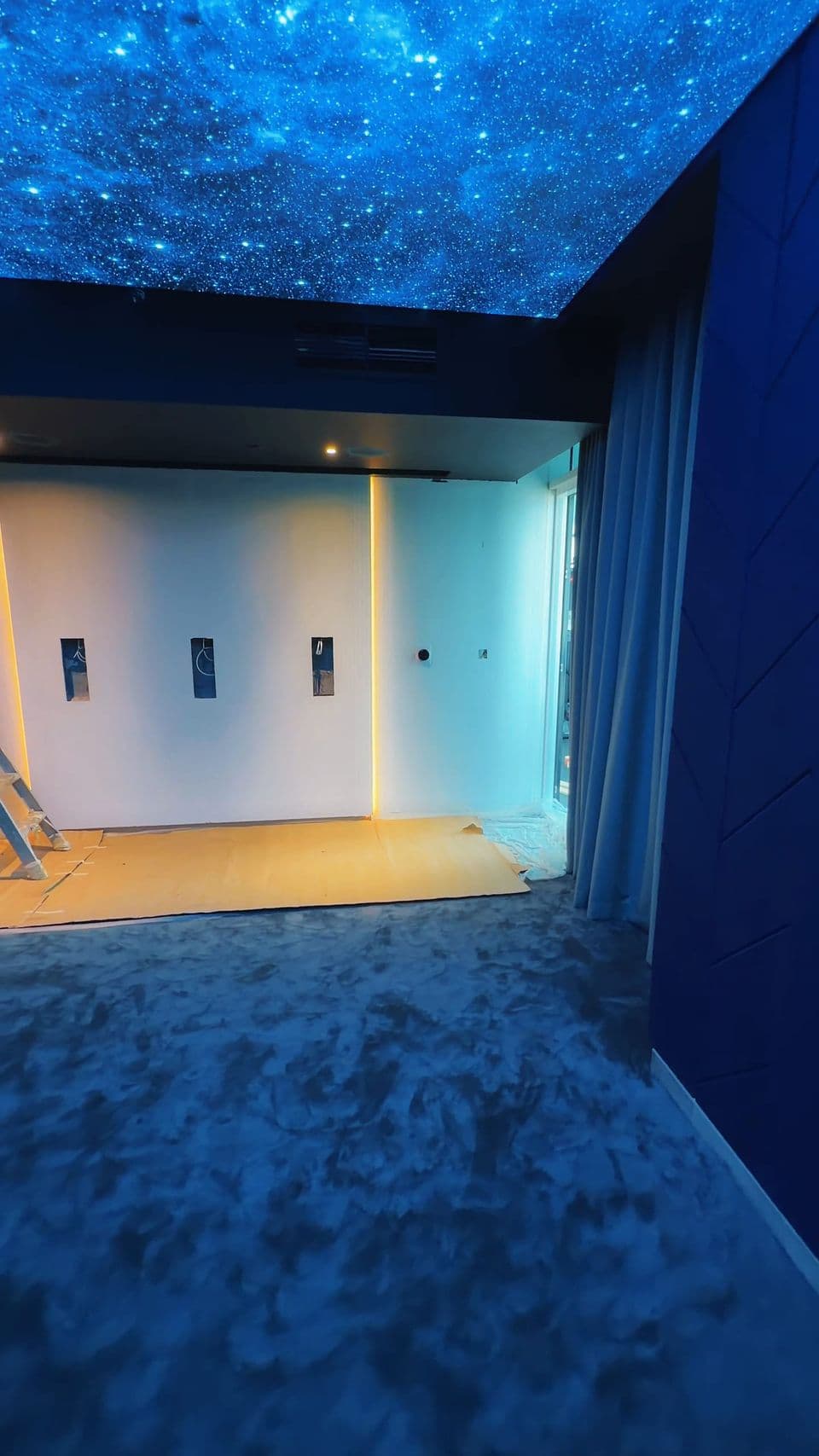
Rugs, curtains and upholstered furniture help, but open-plan living rooms with stone floors often need more. A few decorative panels on the wall opposite the sofa, or an acoustic feature ceiling, usually make conversation and TV dialogue noticeably clearer.
Design-led options
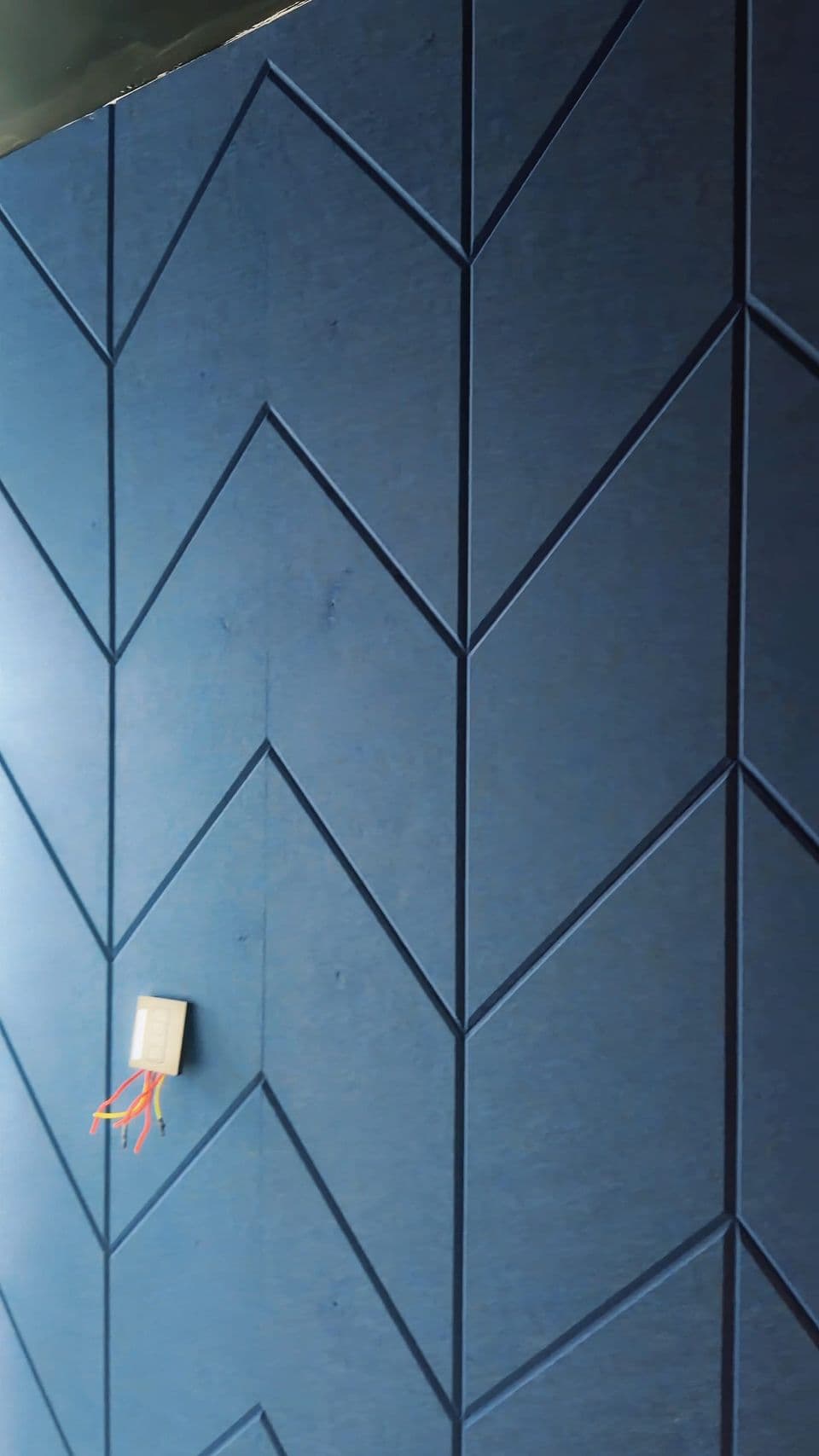
Acoustic treatment no longer has to look technical. These finishes absorb sound and also work as a feature:
- Wood groove panels — slatted or grooved wood over an absorbent backing, for a warm, architectural look.
- PET shapes and colours — PET felt cut on our CNC into hexagons, waves, patterns, lettering or logos, in custom colours, from your own .DXF, .DWG, .AI or .PDF files.
- Wood wool panels — a natural, textured surface that suits ceilings and feature walls.
- Fabric-wrapped panels — covered in acoustic fabric chosen to match upholstery or curtains.
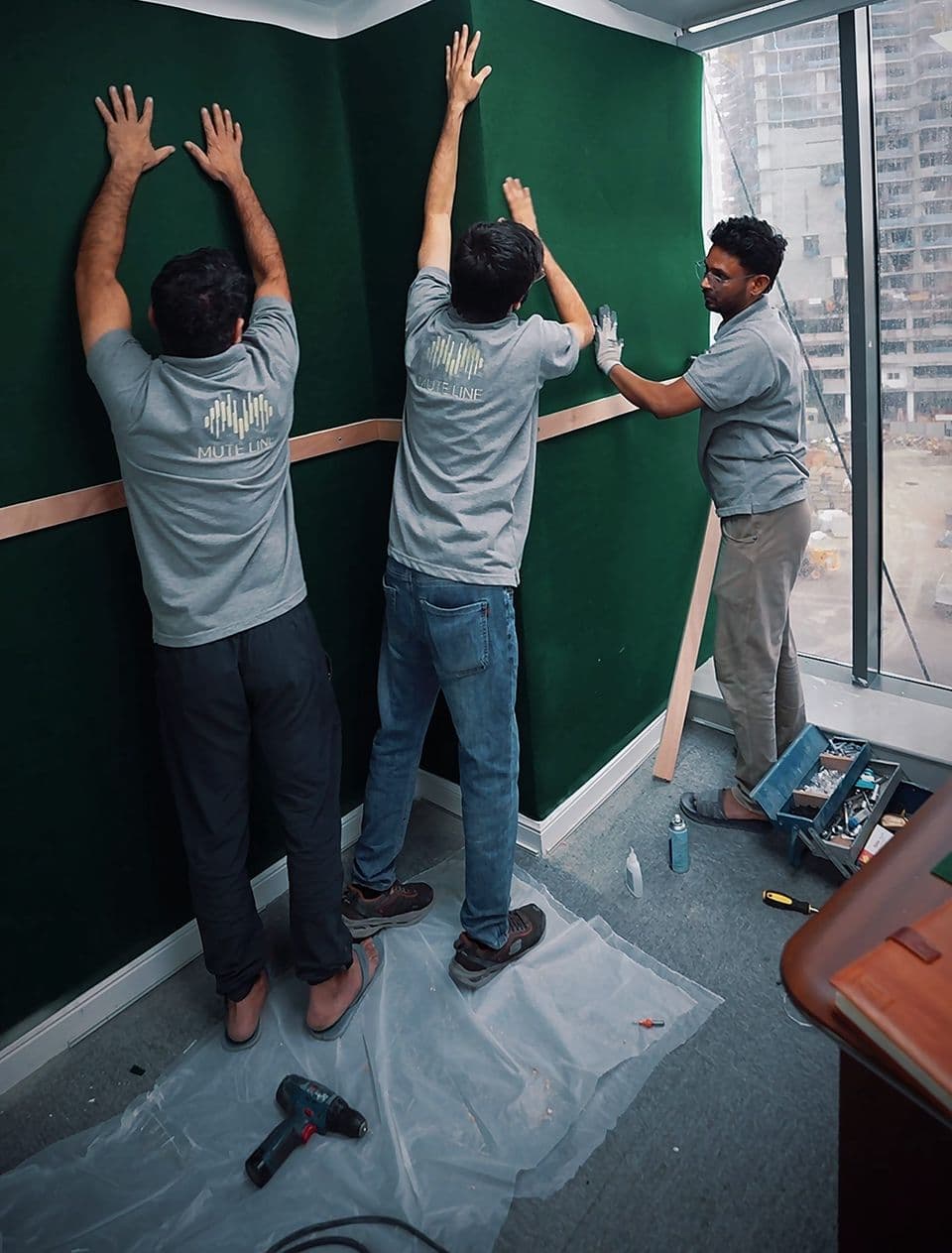
See our acoustic groove panels and wood wool panels for finishes. Because we cut PET panels on our own CNC and make joinery in our Jebel Ali factory, acoustic panels can be built into wall cladding, TV units and ceilings instead of being stuck on afterwards.
Frequently asked questions
How many panels does my room need?
It depends on the room’s size, height, finishes and use. We work it out on the site visit and show you a layout before you commit.
Will panels make my room soundproof?
No. Panels reduce echo inside the room. Stopping sound passing to or from other rooms needs soundproofing — mass, separation and sealing.
Are acoustic panels suitable for Dubai’s climate?
Our acoustic products are selected for Dubai’s heat and humidity, and each one comes with a technical data sheet on request.
Do you work in Abu Dhabi and Sharjah?
Yes. Our own team measures, makes and installs across the UAE.
If your office, majlis or living room sounds hard and tiring, book a free site visit. We will assess the room, propose a layout and finish, and give you a fixed, itemised quotation. Get in touch for a quote or message us on WhatsApp on +971 52 237 5959.
Written by MuteLine Team, 20 Oct 2026
Back to the journal